“Hillbilly Elegy” is a poignant and raw film that tells the story of a young man, J.D. Vance, who must confront his troubled past in order to move forward in life. The movie is a deeply personal exploration of family, identity, and the American dream. Directed with emotional depth by Ron Howard and featuring standout performances from lead actors Amy Adams and Glenn Close, “Hillbilly Elegy” is a powerful reminder of the resilience and strength of the human spirit.
CLICK HERE⭳⭳⭳📽️_Watch Hillbilly Elegy 2020 English Subtitles_
Review
As a child, I remember watching movies that would transport me to a different time and place, or help me understand people and cultures that were different from my own. That’s why I was excited to watch “Hillbilly Elegy,” the new movie directed by Ron Howard based on the memoir of the same name by J.D. Vance. The movie follows Vance’s journey from growing up in poverty in rural Kentucky to getting accepted into Yale Law School.
The movie has already generated a lot of buzz, with some people calling it an accurate portrayal of rural America, while others criticize it for perpetuating stereotypes about poverty and addiction. However, as a researcher who studies shame and vulnerability, I was more interested in how the movie approached these topics.
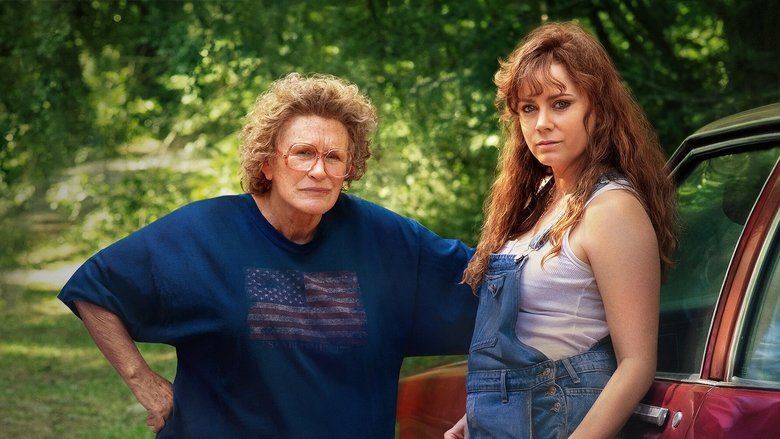
One of the most striking aspects of “Hillbilly Elegy” is how it portrays the complexity of family dynamics in the face of addiction. Vance’s mother, played by Amy Adams, struggles with drug addiction throughout the movie, and her behavior is often erratic and frightening. However, we also see moments where she clearly loves her family and wants to do right by them.
In one scene, for example, she apologizes to J.D. for neglecting him as a child: “I know I wasn’t there for you like I should have been,” she says tearfully. “But you’re smart and capable, you’ll be alright.” It’s a heartbreaking moment that captures both the damage addiction can do to families and the strength of love that persists despite it.
Similarly nuanced is Glenn Close’s portrayal of Mamaw Vance, J.D.’s grandmother who takes him in when his mother becomes unable to care for him. Mamaw is tough-as-nails and doesn’t mince words with anyone – including J.D., whom she scolds for neglecting his studies while at Yale.
However, we also see her softer side when she talks about her own tough upbringing in the Appalachian mountains: “People don’t understand hillbilly pride,” she says. “We may be poor, but we’re fierce.” It’s a moment that speaks to both the resilience and pride of rural communities, as well as the ways in which poverty can shape one’s identity.
At its heart, “Hillbilly Elegy” is a story about how people can rise above difficult circumstances and achieve success, despite the odds. However, it doesn’t sugarcoat the challenges that people like J.D. face along the way – from family members struggling with addiction to a lack of resources in their communities.
One of the strengths of the movie is how it portrays J.D.’s struggles with shame and vulnerability. At one point in the movie, he tells his girlfriend that he feels like he’s “an outsider everywhere,” due to his Appalachian background and his position as a student at Yale.
It’s a sentiment that I think many people can relate to – feeling like you don’t quite fit in anywhere. However, by acknowledging these feelings onscreen, “Hillbilly Elegy” helps break down some of the stigmas around being from rural or low-income backgrounds.
As with any movie adaptation of a popular memoir, there are some changes made for dramatic effect. For example, some critics have pointed out that Mamaw Vance is portrayed as more sympathetic than she was in real life. Additionally, J.D.’s sister Lindsay is largely absent from the story (though her absence is acknowledged).
However, I think these changes are understandable when making a movie – you’re condensing years of someone’s life into two hours, after all. And overall, I think “Hillbilly Elegy” does justice to Vance’s memoir by capturing its themes of family, addiction, and resilience.
One aspect of the movie that deserves special mention is its score and soundtrack. Composed by David Fleming, the score is a beautiful blend of folk and classical music that perfectly captures the movie’s themes. Similarly, the soundtrack features rootsy tracks from artists like Alison Krauss and Emmylou Harris that help immerse you in the film’s world.
Overall, I think “Hillbilly Elegy” is worth watching – whether you’ve read Vance’s memoir or not. It’s a poignant and honest look at one man’s journey through challenging circumstances, with strong performances from its cast and a beautiful score to boot. As someone who studies vulnerability and shame, I appreciate how it tackles these topics head-on, without shying away from their complexity.
Technical Data
- Release : 2020-11-09
- Runtime : 117
- Genre : Drama
- Cast : Gabriel Basso as J.D. Vance, Amy Adams as Beverly “Bev” Vance, Glenn Close as Bonnie “Mamaw” Vance, Haley Bennett as Lindsay Vance, Freida Pinto as Usha Chilukuri
- Crew : Hans Zimmer as Original Music Composer, Brian Grazer as Producer, Ron Howard as Director, Ron Howard as Producer, William M. Connor as Post Producer
- Revenue : 0
- Budget : 0
- Company : Imagine Entertainment
- Popularity : 16.145
- Summary : An urgent phone call pulls a Yale Law student back to his Ohio hometown, where he reflects on three generations of family history and his own future.
- Tagline : Inspired by a true story three generations in the making.
