“The Message” is a dramatic retelling of the life of the Prophet Muhammad. It follows his journey from his early life as a merchant, through his time as a prophet, and concluding with his establishment of Islam in Medina. The movie takes its viewers on an epic journey of faith and perseverance, showcasing the power of belief and the complexity of human relationships. With stunning visuals and an impressive cast, “The Message” is a masterpiece that will leave you speechless.
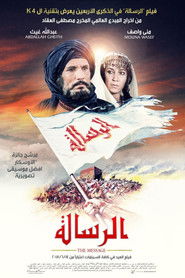
CLICK HERE🠇🠇🠇✅_Watch The Message 1976 English Subtitles_
Review
The Message: A Film that Pours Its Heart Out
The Message, a classic film that tells the story of the life and teachings of Prophet Muhammad, is an extraordinary work of art that continues to inspire people worldwide. Released in 1976, it was directed and produced by Moustapha Akkad and written by H.A.R. Gibb. The film stars Anthony Quinn as Hamza, Sir John Gielgud as the Narrator, Irene Papas as Hind bint Utbah, Michael Ansara as Abu Sufyan ibn Harb, and Abdullah Gaith as the Prophet.
The storyline of this film is based on historical events that occurred during the rise of Islam in Arabia. Set in the early seventh century, before Islam spread beyond Arabia widely, the movie encapsulates significant moments such as the migration (hijrah) to Medina from Mecca; the battles of Badr and Uhud; and the Treaty of Hudaybiyyah.
The plot of this movie is intricately weaved with religious doctrines and cultural traditions. It illustrates how Prophet Muhammad defied social norms to convey his message to his followers while enduring persecution from Mecca’s ruling elite. The story shows how his steadfastness led to Islam’s growth worldwide.
In fact, The Message set a new precedent for epic movies by representing religion on screen with sensitivity and balance. It showed Islam from a humanistic perspective rather than demonizing one side over another. Maya Angelou says: “The Message is a film that pours its heart out with such sincerity and passion about its subject matter it can only be viewed with respect.”
The cast’s performance was exemplary, with each actor living up to their respective character’s depth while portraying nuanced emotions accurately. The acting showcases eloquent dialogue delivered with conviction; every scene seems divine.
Anthony Quinn played Hamza ibn Abdul-Muttalib’s role sensationally; his portrayal of Hamza’s bravery and courage won him many accolades. Irene Papas brought a powerful and captivating performance as Hind bint Utbah, Abu Sufyan’s wife.
Sir John Gielgud’s booming voice narrates the movie in a manner that grips the audience’s attention. His tone and inflection capture the essence of Gibb’s writing, making The Message an example of how to translate religion into film successfully.
The film’s soundtrack was created by Maurice Jarre, known for his scores in Lawrence of Arabia, Doctor Zhivago and other epic movies. However, the music didn’t overpower the visuals but instead complemented them. The music added an eeriness to scenes like the Battle of Uhud.
The cinematography by Jack Hildyard was breathtaking, capturing picturesque landscapes like Arabia’s deserts with its high dunes and scorching sun; it also showed Medina with its lush greenery. The camera angles and lighting were used cleverly to highlight certain areas in a frame while setting a mood throughout.
The Message was not absent from criticism- it received some backlash from Islamic scholars at first. However, that is only one side of a two-sided coin; overall, it has been lauded for being an accurate representation of Islamic history while being mindful to not offend non-Muslims.
The historical context paired with impeccable storytelling makes this movie timeless – inspiring its viewers regardless of race and religion. It is heartening to know the film has stood the test time; 45 years have passed since its release, yet it remains relevant to this day.
In conclusion, The Message is one of those films that will always be remembered as one that helped break harmful stereotypes about Islam on screen long before others did so. It paints a vivid picture of Prophet Muhammad’s life without ever crossing any lines or straying from accuracy or authenticity- providing valuable insights into Islam as seen through their lenses without any bias or agenda. Maya Angelou’s words aptly summarize the movie: “The Message is not just a film; it’s a message of love, compassion, and humanity that will live on for generations to come.”
Technical Data
- Release : 1976-07-30
- Runtime : 206
- Genre : History, Drama
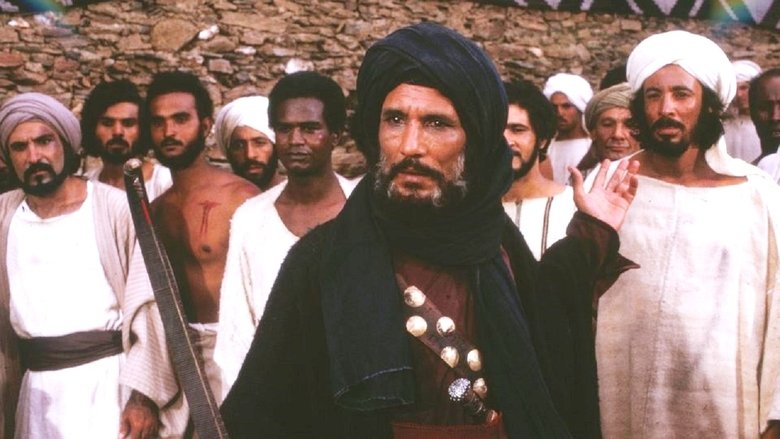
- Cast : Abd Allah Ghaith as Hamza, Mona Wassef as Hind, Hamdy Ghaith as Abou Sofiane, Ali Achmed Taram as Billal, Mahmoud Said as Khalid
- Crew : Maurice Jarre as Music, Jack Hildyard as Director of Photography, Moustapha Akkad as Director, Moustapha Akkad as Producer, Tawfiq Al-Hakim as Writer
- Revenue : 0
- Budget : 0
- Company : Filmco International Productions
- Popularity : 1.163
- Summary : In sixth century Mecca, Prophet Mohamed receives his first revelation from God as a messenger. Three years later, he’s not alone in his quest and publicly declares his prophecy. Mohamed is fought by Abu Sufian and his wife Hind, rulers of Mecca. Mohamed’s followers are hunted and tortured but he continues his calling.
- Tagline :
