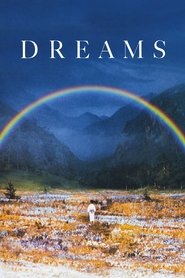
“Dreams 1990” is a surreal and visually stunning film that explores the world of dreams through the eyes of a young boy. In this anthology of eight dreamlike sequences, we witness everything from walking and talking dolls to a meeting with Vincent van Gogh. The film plays out like a series of paintings brought to life, each one more captivating than the last. With its use of vivid colors and striking imagery, “Dreams 1990” is a feast for the eyes that will leave you entranced long after the credits roll.
CLICK HERE⤓⤓⤓📽️_Watch Dreams 1990 English Subtitles_
Review
In Robert Cialdini’s book “Influence,” he talks about the power of persuasion and how individuals can influence others. One way to do this is through storytelling, which is exactly what the movie ‘Dreams’ does. The film takes us on a journey through a series of short stories, each with its own unique narrative and meaning.
Directed by the legendary Akira Kurosawa, ‘Dreams’ was released in 1990. The movie tells eight tales inspired by the director’s own dreams, ranging from a stroll through a peaceful village turned into chaos to a meeting with Vincent Van Gogh himself.
The storylines are varied and take us on an emotional rollercoaster. Each tale explores different themes such as environmentalism, mortality, tradition and even nuclear annihilation. It’s no wonder that Cialdini considers storytelling as one of the most powerful tools in influencing others.
One of the most memorable scenes in ‘Dreams’ occurs in the fourth story titled “The Tunnel.” In it, we see a man (played by Akira Terao) walking through a long tunnel filled with dead bodies. As he moves deeper into the tunnel, he sees soldiers from both sides of World War II buried beneath rubble with their weapons still in hand. Suddenly among these soldiers, he finds his very own dead brother who perished in WWII.
This scene highlights how trauma affects people differently: some may forget it altogether while others never heal completely but are forced to live with it forever. This powerful scene also shows how wars have lasting effects not only on countries but also on individual families.
‘Dreams’ has been praised for its cinematography and special effects since day one due to how visually stunning it is; every scene is like a painting come to life. The opening sequence showcases an explosion of vibrant colours that captivates audiences immediately – proof that sometimes all it takes is stunning visuals for people to become invested in a story.
In Cialdini’s view, visuals are incredibly persuasive. With the right visuals, people can be convinced of anything. The visuals in ‘Dreams’ convey the emotions of each tale with perfection. For example, in the sixth story titled “Mount Fuji in Red,” we see a volcano erupting red lava, symbolising the consequences of humanity’s obsession with technology.
The musical score also plays an important role in ‘Dreams’. The exceptional music composed by Shinichiro Ikebe complements each tale’s mood perfectly and resonates with viewers long after the movie has ended.
It is hard to discuss ‘Dreams’ without mentioning Akira Kurosawa himself. He was one of Japan’s most celebrated filmmakers and is known for his masterful storytelling style that inspired countless others. Kurosawa skillfully used light and sound to make viewers feel a range of emotions throughout each story.
Cialdini writes about how social proof is essential when it comes to persuasion; people are more likely to follow a particular idea or trend if others are doing so too. Kurosawa was not only influential during his lifetime but also left a strong legacy among future filmmakers who followed his style of storytelling.
Despite its exceptional qualities, ‘Dreams’ received mixed reviews when it was first released. Some audiences found certain segments too dull or difficult to understand, while others praised Kurosawa’s creativity and vision. This difference in opinions shows that even a masterpiece like ‘Dreams’ cannot please everyone.
‘Dreams’ has been nominated for several awards throughout its run, including Best Foreign Language Film at the Golden Globe Awards and Best Artistic Contribution at the Cannes Film Festival in 1990. These nominations highlight how well-received it has been by critics and audiences alike over time.
In conclusion, ‘Dreams’ is an exceptional movie that showcases Akira Kurosawa’s remarkable storytelling skills. Through stunning visuals, beautiful music, and powerful narratives, it takes audiences on an emotional journey that leaves them pondering long after the credits roll. Its impact on filmmaking cannot be understated, and its place in cinematic history is well-deserved. As Cialdini says, storytelling is one of the most persuasive tools in existence, and ‘Dreams’ is a perfect example of its power.
Technical Data

- Release : 1990-05-11
- Runtime : 119
- Genre : Fantasy, Drama
- Cast : Akira Terao as I, Mitsuko Baisho as Mother of ‘I’, Toshie Negishi as Mother carrying child, Mieko Harada as The Snow Fairy, Mitsunori Isaki as ‘I’ as a boy
- Crew : Steven Spielberg as Executive Producer, Akira Kurosawa as Screenplay, Akira Kurosawa as Director, Ishirō Honda as Screenplay, Ishirō Honda as Assistant Director
- Revenue : 0
- Budget : 0
- Company : Warner Bros. Pictures, Akira Kurosawa USA
- Popularity : 12.12
- Summary : A collection of magical tales based upon the actual dreams of director Akira Kurosawa.
- Tagline : The past, present, and future. The thoughts and images of one man… for all men. One man’s dreams… for every dreamer.
