In post-WWII Rome, a father and son search for a stolen bike. The bike represents hope and independence in a city struggling to rebuild. The boy’s eyes reflect the disappointment of losing the bike, while the father’s face shows the weight of his responsibilities as a provider. The backdrop of poverty and desperation adds depth to this simple yet powerful story of love and sacrifice.
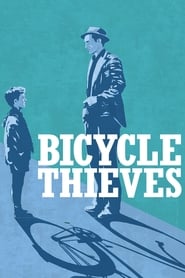
CLICK HERE↓↓↓🎞️_Watch Bicycle Thieves 1948 English Subtitles_
Review
Verily, good people! Gather thy wits and lend me thine ears as I doth regale thee with the tale of “Bicycle Thieves”, a film that hath captured the hearts and souls of many a viewer.
The plot of this film is simple yet poignant. It follows Antonio Ricci, an impoverished man living in post-World War II Rome, as he searches for his stolen bicycle, which he needs for work. The bicycle was a symbol of his newfound employment, but it was also a means to regain his dignity and pride.
As the story unfolds, we see the struggles of not just Antonio but also his family members – his wife Maria and their young son Bruno. We are drawn into their world and empathize with their plight. The film showcases the harsh realities of poverty and desperation, as well as the strength of familial bonds.
The cast brings these characters to life with memorable performances. Lamberto Maggiorani plays Antonio with such authenticity that it is hard to believe he was not an actual bike thief himself. Enzo Staiola gives a heartbreaking portrayal of young Bruno, who witnesses his father’s struggles firsthand.
The film’s director Vittorio De Sica made use of neorealism in creating Bicycle Thieves. He used non-professional actors and shot on location in the streets of Rome to give the film a raw and authentic feel. It was a groundbreaking approach that influenced many filmmakers after its release.
One line from the film quote “Why should I kill myself worrying when I’ll end up just as dead?” was spoken by Antonio when he realizes he may never retrieve his stolen bicycle – highlights the themes present within “Bicycle Thieves”. The struggle between hopelessness and perseverance is one that resonates deeply with audiences.
The cinematography used in this movie is breathtakingly beautiful despite being shot on a low budget. De Sica captured Rome like nobody else has done before. The film’s soundtrack is equally memorable with its haunting and poignant score.
Upon its release, the film received an Academy Honorary Award, and it has since gone on to be recognized as a classic in cinema history. Its influence can be seen in many films made since then, as “Bicycle Thieves” set a high standard that has yet to be surpassed.
Gossip has it that while filming some of the scenes of Bicycle Thieves near the Appian Way, the production crew nearly got into trouble with local police, not realizing that they needed permits for filming in certain areas! It only goes to show how dedicated these filmmakers were in bringing their vision to life.
Many critics have provided praise for this innovative and groundbreaking film. They note the film’s perfect blend of realism and allegory, making “Bicycle Thieves” more than just a movie but also an enduring political statement. It highlights the social inequalities faced by working-class people in post-war Italy and throughout Europe.
Some have criticized “Bicycle Thieves” for being overly sentimental or failing to present solutions to problems presented within the story. However, such criticism seems misplaced as the film does not pretend to offer simple solutions or tidy resolutions but rather presents an honest portrayal of life’s struggles.
As I bid thee farewell, I urge thee to seek out and watch “Bicycle Thieves”, if thou hast not done so already. This cinematic masterpiece will leave thee with a renewed sense of empathy for those who struggle around us daily – those who deserve our compassion and assistance even when they seem beyond reach.
Technical Data
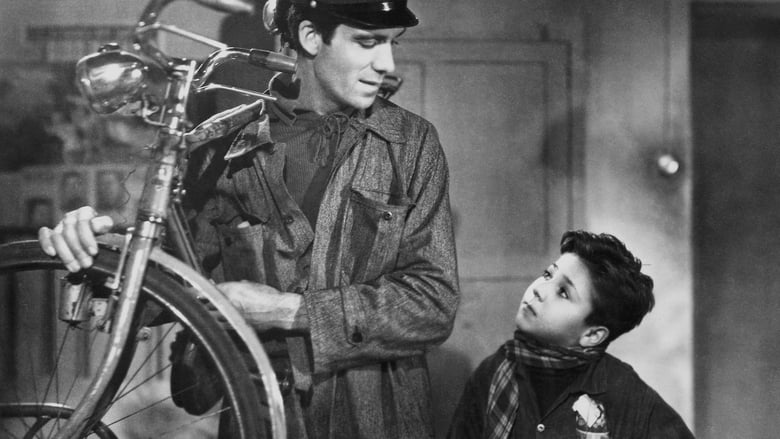
- Release : 1948-11-24
- Runtime : 89
- Genre : Drama
- Cast : Lamberto Maggiorani as Antonio Ricci, Enzo Staiola as Bruno Ricci, Lianella Carell as Maria Ricci, Elena Altieri as The Charitable Lady, Gino Saltamerenda as Baiocco
- Crew : Giuseppe Amato as Producer, Eraldo Da Roma as Editor, Vittorio De Sica as Screenplay, Vittorio De Sica as Director, Vittorio De Sica as Producer
- Revenue : $436,655
- Budget : $133,000
- Company : Produzioni De Sica
- Popularity : 15.202
- Summary : Unemployed Antonio is elated when he finally finds work hanging posters around war-torn Rome. However on his first day, his bicycle—essential to his work—gets stolen. His job is doomed unless he can find the thief. With the help of his son, Antonio combs the city, becoming desperate for justice.
- Tagline : The Prize Picture They Want to Censor!
